Most people do not start with charts. They start with curiosity. They read something online. Watch a short video. Hear someone mention currency markets. And then the question appears quietly in their mind what is this really about? When someone searches what is forex trading, they are often not looking for a dictionary answer. They are wondering how people actually begin.
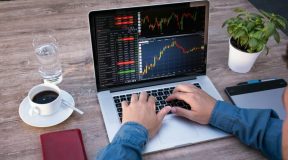
The first practical step is opening a trading account through a regulated platform. This process usually involves identity verification and selecting account settings. It feels more like opening an online banking service than entering a secret financial club. And that first login screen can feel intimidating.
Numbers everywhere. Buttons. Charts. But at that stage, the goal is not to trade immediately. It is to observe.
Choosing a trading style
Not everyone approaches the market the same way.
Some people prefer short term trades that last minutes or hours. Others prefer longer positions that remain open for days or even weeks.
There is no correct universal style.
Short term traders usually monitor price movement closely. Longer term traders rely more on economic trends and broader analysis.
And sometimes beginners switch styles too quickly. One week they try fast trading. The next week they try long term positions. That jumping around creates confusion.
Finding a comfortable pace matters more than copying someone else’s strategy.
How profits and losses are calculated
Once a position is opened, the result depends on price movement.
If a trader buys a currency pair and the price increases, the difference becomes potential profit. If the price drops, the difference becomes a loss.
The calculation is based on how far the price moves and how large the position size is.
It sounds mechanical. And it is.
But emotionally, it rarely feels mechanical.
Seeing numbers change in real time can create excitement or stress. That reaction is normal. The key is not letting it control decisions.
Example of short term and long term trades
Imagine two different traders.
One opens a position expecting price to move within the next hour. They close it the same day. Their focus is small movements and quick decisions.
Another trader opens a position based on economic trends. They hold it for several days, allowing time for larger price movement.
Both approaches involve currency pairs. Both involve risk. But the mindset behind each is different.
And neither approach guarantees results.
Some people realize quickly that fast trading feels too intense. Others feel bored waiting days for movement. That self awareness shapes long term direction.
Building confidence through education
Confidence does not come from a single profitable trade. It develops from understanding structure, practicing risk management, and reviewing past decisions.
Many platforms offer demo accounts where beginners can practice without risking real money. This allows experimentation with order types and position sizing.
Learning materials also play a role:
- Economic calendars
- Market analysis articles
- Educational videos
- Historical chart review
But information alone is not enough. Application matters.
Sometimes traders learn the most from mistakes. That part is uncomfortable, but it is real.
So what is forex trading when viewed from a beginner’s starting point?
It is the process of entering the global currency market through a trading platform, choosing a style that fits personal comfort, managing risk carefully, and reacting to price movement shaped by economic forces.
It is not just theory. It is participation. And participation requires preparation more than speed.
Most beginners do not fail because they misunderstand the definition. They struggle because they move too quickly without structure. Economic events can influence price movement, so awareness is useful even for short term traders