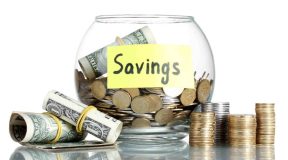
Introduction
Saving money is one of the most important steps toward financial stability and independence. It provides a safety net for unexpected expenses, supports long-term goals, and builds a stronger financial foundation. Whether you’re saving for emergencies, major purchases, or future investments, understanding how to manage your money effectively is essential.
What Does Saving Money Mean?
Saving money involves setting aside a portion of your income for future needs instead of spending it immediately. It requires planning, discipline, and the willingness to prioritize long-term benefits over short-term desires.
Key Benefits of Saving Money
- Financial security during emergencies
- Ability to achieve major financial goals
- Reduced stress and improved peace of mind
- Greater financial independence
- More opportunities for investing and wealth building
Types of Savings
Different savings methods serve different financial needs.
Emergency Savings
A fund designated to cover unexpected expenses such as car repairs, medical bills, or job loss.
Short-Term Savings
Savings for goals that can be achieved within a year, such as travel, gadgets, or small home improvements.
Long-Term Savings
Savings intended for long-term goals like retirement, education, or buying a home.
High-Yield Savings Accounts
Bank accounts that offer better interest rates than traditional savings accounts, helping savings grow faster.
Certificates of Deposit (CDs)
Low-risk savings tools that lock funds for a specific period in exchange for higher interest.
Practical Ways to Save Money
Saving money doesn’t require drastic changes; small, consistent habits create big results over time.
Create a Budget
A budget helps you understand where your money goes.
Key steps include:
- Tracking monthly income
- Listing essential and non-essential expenses
- Setting realistic spending limits
Cut Unnecessary Expenses
Identify spending habits that drain your wallet without adding real value.
Examples include:
- Impulse purchases
- Frequent dining out
- Subscription services you rarely use
Build an Emergency Fund
Aim to save three to six months’ worth of living expenses to stay financially protected.
Automate Your Savings
Set up automatic transfers to your savings account. This ensures consistency and reduces the temptation to spend.
Save Before You Spend
Instead of saving what’s left, save first and spend the remaining amount. This mindset shift increases financial discipline.
Use Cash-Back and Discount Programs
Take advantage of coupons, loyalty programs, and cashback apps to reduce expenses.
Track Your Progress
Review your savings regularly to stay motivated and adjust your strategy when necessary.
Smart Long-Term Saving Strategies
Invest Wisely
Investing allows your savings to grow through interest, dividends, or capital gains.
Avoid High-Interest Debt
Debt reduces your ability to save effectively, so prioritize paying off high-interest loans.
Set Clear Financial Goals
Whether it’s buying a home or starting a business, goals help maintain focus and motivation.
Adjust Savings According to Income Changes
Increase savings when income rises and stay disciplined during slower financial periods.
Common Saving Mistakes to Avoid
- Saving without a clear plan
- Depending too much on credit cards
- Leaving money in low-interest accounts
- Ignoring small expenses that accumulate
- Setting unrealistic savings targets
FAQs
1. How much should I save each month?
A common recommendation is to save at least 20% of your income, but the amount depends on your financial goals and expenses.
2. What is the best way to start saving if I live paycheck to paycheck?
Start small—cut minor costs, track spending, and set aside even a few dollars weekly. Consistency is more important than the amount.
3. Where should I keep my emergency fund?
A high-yield savings account is ideal because it keeps your funds accessible while earning interest.
4. How can I stay motivated to save money?
Set specific goals, track progress visually, and reward yourself for meeting milestones.
5. Should I save money or pay off debt first?
Pay off high-interest debt first, then focus on saving. Balancing both is also effective for many people.
6. What’s the safest way to grow my savings?
High-yield savings accounts, CDs, and money market accounts offer safe and stable growth.
7. How do I avoid overspending?
Use budgeting tools, disable unnecessary notifications from shopping apps, and practice mindful spending.
If you’d like, I can turn this article into a downloadable PDF or expand it into an in-depth savings guide with worksheets and templates.