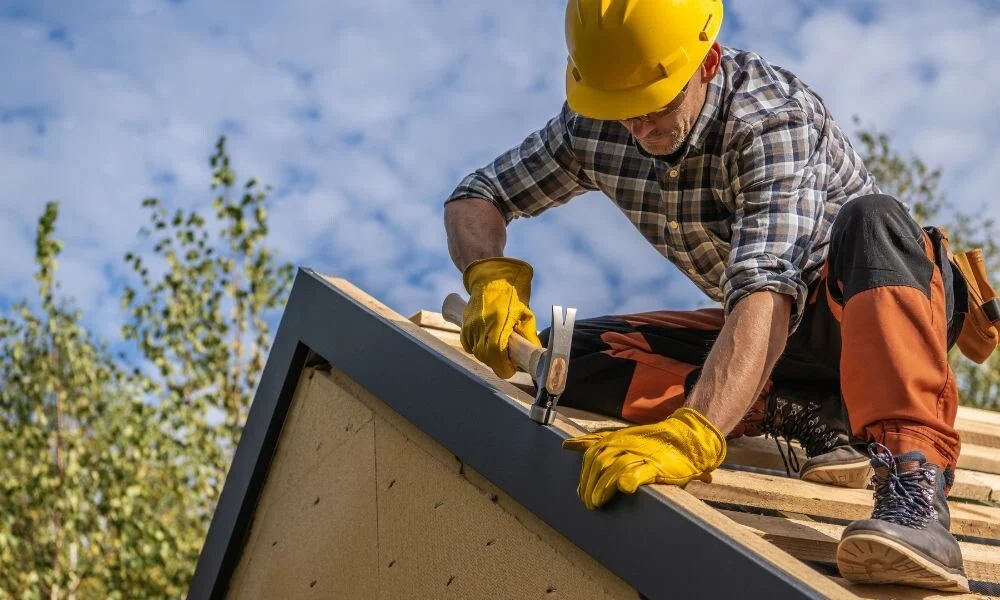
The world of construction is fraught with everyday business risks for all parties involved. Whether it is a construction owner, contractor or carpenter, they are always surrounded by day-to-day risks. This is where having general liability insurance becomes useful.
It is a protection that safeguards businesses from the legal liabilities that arise from third-party claims. It might sound similar to a labour insurance policy, which provides compensation to injured employees for workplace injuries; the difference is that general liability insurance is for contractors and is not mandatory by law.
The article will discuss general liability insurance in detail, what it is, how it protects contractors and what it does not cover.
What is General Liability Insurance?
General liability insurance, also known as Commercial General Liability insurance (CGL), is a type of insurance that protects businesses from legal liabilities resulting from claims of damage, personal injuries, or bodily harm to third-party individuals arising from day-to-day business operations.
This type of insurance combines public liability and product liability, providing comprehensive protection against third-party liabilities and product-related claims. Here, public liability refers to the cost of loss or damage to persons who are on the insured property. Whereas, product liability refers to the loss or damage to third parties resulting from a defective or hazardous product.
Why is General Liability Insurance Crucial for Contractors?
Construction businesses face a multitude of risks daily, with the potential for unexpected accidents to occur on-site. The loss or damage caused by any accident can significantly affect their finances.
That is why it is usually wise to be on the safe side by getting general liability insurance, just as a business owner buys a workmen compensation policy online to safeguard themselves from the financial expenses claimed by injured employees.
General liability insurance is crucial for contractors to shield them from situations as follows:
- Injuries to clients or third-party individuals at the construction site. For example, a client visits the site for an inspection and is injured due to slipping on a wet floor.
- Monetary loss due to property damage.
- Third-party injury or loss due to your product installation or a faulty product.
- Third-party reputation damage. Suppose a rival company claims that your product advertisement is damaging its reputation.
Benefits of General Liability Insurance for Contractors
Coverage for Bodily Injuries
General liability insurance provides coverage in case any person gets injured at the contractor’s construction site. It covers the cost of their medical treatment, hospitalisation, medications, etc. Moreover, it also covers the cost of any legal fees or settlement amount.
Coverage for Property Damage
The insurance also provides coverage for loss or damage to third-party property (i.e., client or customer property). For example, the client’s kitchen chimney gets damaged during remodelling. The general liability insurance will cover the cost of its repair or replacement.
Coverage for Complete Operations and Products
General liability insurance is also beneficial to have to get protection after completing a project or installing their product. In the event that the client incurs any loss or damage due to faulty construction or installation, the insurance covers the cost of their loss or damage.
Coverage for Medical Payment
Another benefit of obtaining general liability insurance is that it covers the minor medical expenses of a third-party individual who is injured at the contractor’s construction site.
Exclusions of General Liability Insurance
Employee Injuries
It should be noted that general liability insurance is not the same as a labour insurance policy that pays for its own employees’ workplace injuries. General liability insurance excludes coverage for the contractor’s employees. To cover their employees, they can invest in a workmen compensation policy.
Professional Liability
General liability insurance also excludes coverage for claims related to professional mistakes or negligence. For such kinds of claims, contractors need to purchase separate insurance that specifically addresses them.
Automobile Accidents
The insurance also excludes coverage for any claim related to contractor-owned automobile accidents.
Pollution Damage Claims
General liability insurance does not provide coverage for damage caused by pollution. It includes contamination, environmental damage and cleanup costs.
Employee Discrimination and Harassment
The liability insurance does not cover claims related to employee discrimination, harassment, or wrongful termination.
Conclusion
The construction industry is inherently uncertain; there are dangers involved at every step, and new challenges arise daily. In such situations, having a safety net of general liability insurance helps contractors navigate the frequent third-party claims. In other words, it is a fine way to protect business funds from losing to legal liabilities.
Another insurance that construction businesses must buy for their organisation’s safety is a labour insurance policy from a trusted insurer like TATA AIG. Their labour insurance protects business capital from financial and legal claims of employees who may suffer from workplace injuries. Additionally, having this insurance positions the organisation in a positive light as a brand that thinks about its employees’ safety.